Why Children Are the Hardest to Fool in Magic
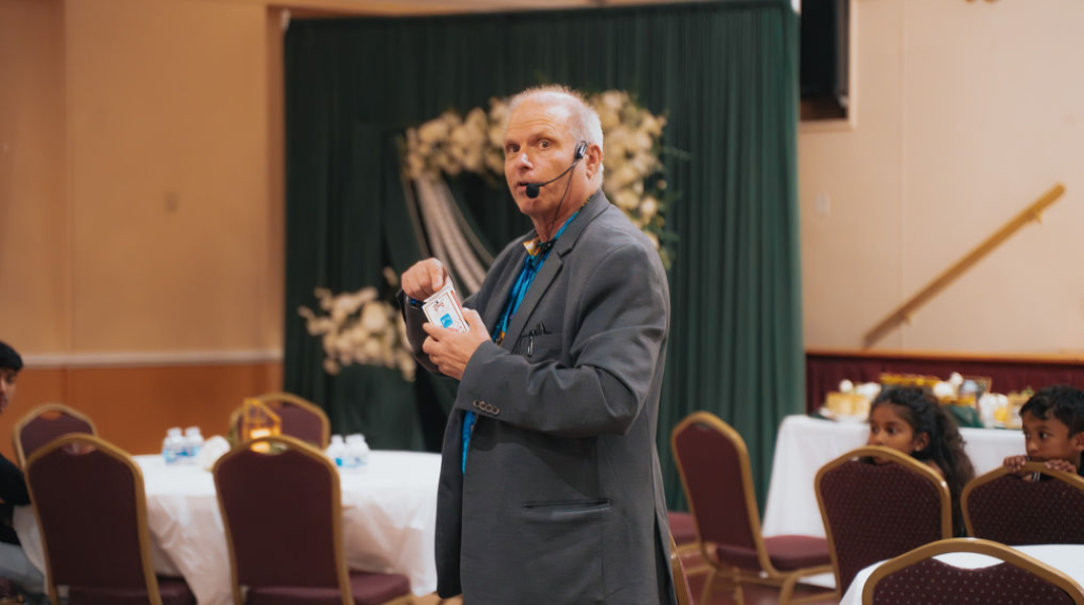
“Never try to fool children, they expect nothing, and therefore see everything.”— Harry Houdini Harry Houdini was a master of deception, but even he acknowledged a simple truth: children are the hardest audience to fool. Many people assume that kids will be the easiest to trick, but the opposite is true. Unlike adults, who bring expectations and assumptions into a magic show, children observe with pure, unbiased curiosity. They don’t anticipate where the trick is going, which means they notice details that adults overlook. I’ve experienced this firsthand while performing in Lansdale, delighting young audiences in Montgomeryville, and bringing family-friendly magic to New Britain. Kids see more than adults do. They don’t watch where you want them to—they watch everything. That’s why performing magic for children requires a different level of skill, attention, and creativity. What It Means for Magicians Performing for children is one of the greatest challenges in magic. Adults can be misdirected because they assume they already understand how the world works. But kids? They don’t bring those assumptions into the experience. At a recent show in Montgomeryville, I performed a trick where an object was secretly switched in my hand. The adults in the crowd were amazed—but a sharp-eyed child immediately called out, “It never left your hand!” She wasn’t distracted by the scripted story or my larger movements. She was simply watching. This is why great children’s magicians don’t rely on the same techniques they use for adults. Tricks must be more than just subtle sleight of hand—they must be visually deceptive, engaging, and layered with entertainment. When designing my routines for children, I account for their sharp observational skills by:✔ Using magic that is direct and clear—no unnecessary distractions.✔ Incorporating physical comedy and storytelling to keep engagement high.✔ Ensuring misdirection is based on action, not just assumptions.✔ Making tricks interactive, so kids feel part of the magic. If Houdini knew how tough kids were to fool, then magicians today should take his advice seriously! What It Means for the Audience Houdini’s quote doesn’t just apply to magic—it’s a powerful lesson in how differently children and adults experience the world. At a birthday party in Lansdale, I noticed something interesting. The adults were watching my face during a trick, following my words and expressions. The kids? They were watching my hands, my props, and every little movement I made. While adults tend to focus where they think the important action is happening, children are simply observing without expectation. This is why kids notice small details that adults miss. They aren’t bound by the same habits of attention that we develop over time. They live in the moment and take in the whole experience, rather than just the parts they think should matter. And that’s an important reminder—not just for magicians, but for all of us. Everyday Magic: What We Can Learn from Children’s Perspective Houdini’s insight teaches us that children have a unique way of seeing the world, and we can all benefit from thinking a little more like them. Here’s how: Wrapping Up: The Magic of Childlike Wonder in Lansdale, Montgomeryville, and New Britain Houdini’s words remind us that magic—and life—looks different through a child’s eyes. Whether I’m performing in Lansdale, bringing wonder to Montgomeryville, or engaging young minds in New Britain, I’ve learned that children don’t just watch magic; they experience it in a way that adults often forget how to. So, what if we all took a lesson from kids? What if we paid attention like they do, embraced curiosity, and allowed ourselves to be amazed? Because before we can be fooled, before we can be amazed, before we can experience magic—we have to be willing to see it. Let’s keep finding the wonder—one magical moment at a time.
Finding Magic in the Everyday: Seeing the World with Glittering Eyes
“Above all, watch with glittering eyes the world around you because the greatest secrets are always hidden in the most unlikely places. Those who don’t believe in magic will never find it.”— Roald Dahl Roald Dahl, the master storyteller who brought us Charlie and the Chocolate Factory and Matilda, knew that magic isn’t just about wands and spells—it’s about perspective. The world is full of hidden wonders, but only those who are willing to see them will ever experience their true magic. Whether I’m performing in Perkasie, creating moments of astonishment in Sellersville, or bringing wonder to an audience in Telford, I see how belief plays a crucial role in the experience of magic. The greatest illusions aren’t just tricks—they are invitations to see the world in a different way. What It Means for Magicians A magician’s job isn’t just to perform sleight of hand—it’s to reveal the magic that already exists. We don’t just create illusions; we create experiences that help people rediscover their sense of wonder. At a recent show in Sellersville, I performed a simple trick where an ordinary object—something as common as a coin—completely disappeared. To some, it was just a clever move. But to the kids in the front row, it was pure magic. Why? Because they believed it was possible. Their eyes glittered with excitement, just like Dahl described. That’s the secret: magic isn’t just about deception. It’s about belief. What It Means for the Audience For an audience, magic is more than just being fooled—it’s about being delighted. Those who are willing to see the world with curiosity and excitement will find that magic is everywhere. At an event in Perkasie, I noticed something interesting. Some people in the crowd were trying to figure out every trick, analyzing every move. Others simply enjoyed the moment, letting themselves be amazed. Guess which group had more fun? Dahl’s words remind us that belief in magic isn’t about being naïve—it’s about being open to wonder. The best moments in life often come from unexpected places, but if we’re too busy trying to explain everything, we might miss them. Everyday Magic: How to See the World with Glittering Eyes Roald Dahl’s quote isn’t just about magic—it’s a mindset. Here’s how we can all cultivate a little more wonder in our everyday lives: Wrapping Up: Finding Magic in Perkasie, Sellersville, and Telford Roald Dahl reminds us that magic isn’t just something magicians create—it’s everywhere, waiting to be noticed. Whether I’m performing in Perkasie, amazing audiences in Sellersville, or bringing illusions to Telford, I know that the people who get the most out of the experience aren’t just the ones watching the tricks—they’re the ones looking for magic in the world around them. So, when was the last time you saw something that truly amazed you? When was the last time you let yourself believe in something bigger than logic? Let’s keep looking for the magic—one glittering moment at a time.
The Silent Music of the Mind: The Art of Mentalism and Magic
“Mentalism is the silent music of the mind. Magic is the orchestra of the unseen.”— Jon Finch Magic and mentalism are two sides of the same coin. One dazzles the eyes with impossible visuals, while the other whispers directly into the mind, creating the illusion of extraordinary intuition and foresight. Jon Finch’s quote beautifully captures the distinction: mentalism is subtle, a silent melody that plays in the background of our thoughts, while magic is grand, an unseen symphony that transforms the impossible into reality. Whether I’m performing for families in Lansdale, engaging audiences at an event in Montgomeryville, or creating unforgettable moments in Hatfield, I see how these two forms of magic create different but equally powerful experiences. One makes people see differently; the other makes them think differently. What It Means for Magicians and Mentalists A magician controls what the audience sees. A mentalist controls how they think. Magic is bold, visual, and theatrical—it’s a floating object, a disappearing coin, a signed card reappearing in an impossible place. It commands attention and creates wonder in an instant. Mentalism, on the other hand, is internal. It’s about influence, suggestion, and psychology. A great mentalist can reveal thoughts that were never spoken, predict choices before they’re made, or even manipulate decisions without the spectator realizing it. At a recent show in Montgomeryville, I demonstrated both disciplines in a single performance. First, I made a borrowed object vanish from someone’s hand—a moment of classic, visual magic. Then, I asked a spectator to think of a random word. After a dramatic pause, I wrote down my prediction and handed it over. When they opened it and saw their exact thought written on the paper, the reaction was completely different than the first trick. They weren’t just amazed—they were unsettled. They felt like I had reached into their mind and pulled out a thought. That’s the difference. Magic plays with perception, while mentalism plays with reality itself. What It Means for the Audience For the audience, magic is an invitation to believe in something bigger. Mentalism is an invitation to question what they know to be true. At a private event in Hatfield, I performed a classic mentalism routine: I asked a spectator to think of the name of a childhood friend they hadn’t seen in years. No writing it down, no hints—just a silent thought. Slowly, I revealed details about the person, their name, even a specific memory they associated with them. The moment they gasped and said, “How could you possibly know that?” was pure mentalism. That’s what Jon Finch’s quote captures so well. Magic and mentalism operate in different ways, but both create the feeling of the impossible becoming real. Everyday Magic: The Power of the Unseen Jon Finch’s quote doesn’t just apply to stage performances—it’s a lesson in how we see and interpret the world around us. Here’s how you can apply the principles of magic and mentalism to everyday life: Wrapping Up: The Magic and Mentalism of Lansdale, Montgomeryville, and Hatfield Jon Finch’s words remind us that magic and mentalism are more than tricks—they’re experiences. Whether I’m performing in Lansdale, sharing mind-reading effects in Montgomeryville, or leaving audiences speechless in Hatfield, I see how magic makes the impossible visible, while mentalism makes it felt. So, when was the last time you experienced true wonder? Whether it’s in magic, art, storytelling, or life itself, take a moment to appreciate the unseen orchestra playing all around you. The more you allow yourself to wonder, the more you’ll discover the wonders hidden in plain sight. Let’s keep making magic happen—one thought at a time.
Cultivating Wonder: The Key to Experiencing the Impossible
“Before there can be wonders, there must be wonder.”— David Copperfield David Copperfield is a master of creating breathtaking illusions, but his magic isn’t just about tricks—it’s about perspective. This quote reminds us that magic, like wonder, isn’t something that just happens to us. It’s something we have to be open to. Whether I’m performing for families in Spring House, bringing moments of amazement to an event in North Wales, or creating magic for an audience in Willow Grove, I’ve learned that the most powerful part of any illusion isn’t in my hands—it’s in the minds of the spectators. If they allow themselves to wonder, then they can experience wonders. What It Means for Magicians A magician’s job isn’t just to fool people—it’s to remind them of what it feels like to be astonished. The best magic isn’t about tricking the mind, but about opening it. At a recent show in Willow Grove, I performed a simple illusion where an object vanished and reappeared in an impossible location. But the real magic wasn’t in the trick—it was in the moment of silence before the reveal, when the audience held their breath, anticipating the impossible. That suspense, that expectation—that’s where wonder is born. Copperfield’s words remind us that before we can experience wonders, we have to believe in the possibility of magic. What It Means for the Audience Wonder is a choice. Some people watch a magic trick with their arms crossed, trying to catch the secret. Others lean in, fully experiencing the moment. Who do you think has more fun? At a performance in North Wales, I noticed two very different reactions in the crowd. A few people immediately started analyzing the trick, whispering possible solutions. But a young child in the front row just stared, mouth open, eyes wide with amazement. That’s the difference Copperfield was talking about. The best magic happens when we stop trying to solve the experience and start feeling it. Wonder isn’t about ignorance—it’s about curiosity. It’s about allowing ourselves to experience something before rushing to explain it away. Everyday Magic: How to Cultivate Wonder in Your Life David Copperfield’s quote applies far beyond magic—it’s a reminder that life’s greatest experiences come when we allow ourselves to see things with fresh eyes. Here’s how we can all cultivate more wonder in our daily lives: Wrapping Up: Bringing Wonder to Spring House, North Wales, and Willow Grove David Copperfield’s quote reminds us that before we can experience life’s most magical moments, we must first allow ourselves to see them. Whether I’m performing in Spring House, bringing illusions to North Wales, or amazing audiences in Willow Grove, I’ve learned that the most magical experiences come not from the trick, but from the audience’s willingness to be amazed. So, when was the last time you truly let yourself wonder? How might your world feel different if you approached it with a little more curiosity, a little more openness, and a little more magic? Let’s keep finding the wonder—one magical moment at a time.
Before There Can Be Wonders, There Must Be Wonder
“Before there can be wonders, there must be wonder.”— David Copperfield David Copperfield, one of the most influential magicians of all time, understands something that goes beyond sleight of hand, illusions, and grand stage productions. This quote reminds us that magic doesn’t begin with the trick—it begins in the mind of the spectator. For wonder to exist, we must be open to experiencing it. It’s not just about what happens—it’s about how we perceive it. Whether I’m performing for families in Glenside, creating moments of astonishment in Warrington, or sharing illusions at an event in Flourtown, I see how the best magic isn’t just about fooling the audience—it’s about awakening their sense of wonder. What It Means for Magicians A magician’s job isn’t just to execute a trick—it’s to set the stage for wonder. A card trick, a levitation, or an impossible escape is only effective if the audience is ready to embrace the mystery. At a recent show in Warrington, I performed an illusion where a signed playing card disappeared and reappeared in a sealed envelope. But the true magic didn’t come from the mechanics of the trick. It came from the moment before the reveal—when the audience held their breath, waiting to see the impossible unfold. That anticipation, that suspension of disbelief, is what makes magic powerful. Copperfield’s quote is a reminder that before a magician can create wonders, they must first inspire wonder. What It Means for the Audience For the audience, the most powerful magic happens when they allow themselves to believe in something extraordinary. At an event in Glenside, I noticed two very different types of reactions in the crowd. Some people leaned in, eyes wide with curiosity, ready to be amazed. Others stood back, arms crossed, focused on trying to figure it out. Guess which group had a better time? Wonder isn’t just about not knowing how something works—it’s about embracing the feeling that comes with experiencing something magical. Just like when we watch a beautiful sunset, hear a moving piece of music, or witness an act of kindness, the magic isn’t in understanding—it’s in feeling. Everyday Magic: Cultivating Wonder in Life David Copperfield’s words apply far beyond the stage. Wonder isn’t something that just happens—it’s something we must invite into our lives. Here’s how you can cultivate more wonder in your everyday experiences: Wrapping Up: Embracing Wonder in Glenside, Warrington, and Flourtown David Copperfield’s quote reminds us that before we can experience wonders, we must first embrace wonder. Whether I’m performing in Glenside, engaging audiences in Warrington, or bringing magic to an event in Flourtown, I see firsthand how those who are open to wonder experience magic in a way that stays with them long after the trick is over. So, when was the last time you let yourself truly experience wonder? How can you bring more of it into your life? Let’s keep making the world a little more magical—one moment at a time.
Magic as Art: Seeing the World with New Eyes
“Magic touches people in the way great art does. It lets them see the world with new eyes.”— Drummond Money-Coutts Great art has the power to shift perspectives, to move us emotionally, and to reveal something new about the world. Magic does the same thing. It’s not just about deception—it’s about transformation. A well-performed illusion doesn’t just entertain; it awakens a sense of wonder that lingers long after the trick is over. Whether I’m performing for families in Hatboro, creating astonishment at an event in Horsham, or sharing illusions in Jenkintown, I see this transformation happen firsthand. A moment of magic isn’t just about mystery—it’s about possibility. It reminds us that the world is full of surprises, that there’s still room for amazement in our everyday lives. What It Means for Magicians A magician’s job is to give people a new way to see reality. Like a great painting, a powerful song, or an unforgettable performance, magic has the ability to reshape the way people think—even if only for a moment. At a recent show in Horsham, I performed a simple illusion—a borrowed object vanishing and reappearing somewhere impossible. But the real impact wasn’t in the mechanics of the trick. It was in the audience’s reaction. The surprise, the laughter, the realization that maybe—just maybe—there’s more to the world than what we assume. That’s what magic and art have in common. They both take the ordinary and make it feel extraordinary. What It Means for the Audience For the audience, magic is an invitation to look beyond logic. Too often, as we grow up, we trade wonder for explanations. We assume we know how everything works, and we lose that sense of curiosity we had as children. But magic brings it back. At an event in Hatboro, I performed an illusion for a group of adults who were initially skeptical. They stood with their arms crossed, analyzing every move. But then, after one particularly impossible moment, something changed. They weren’t just watching magic anymore—they were experiencing it. That’s the real magic. It’s not just about what’s happening in the magician’s hands—it’s about what’s happening in the audience’s mind. Everyday Magic: Seeing the World with Fresh Eyes Drummond Money-Coutts’ quote isn’t just about magic tricks—it’s about how we experience life. Here’s how we can all use the principles of magic to shift our perspective and see the world with fresh eyes: Wrapping Up: Magic, Art, and Wonder in Hatboro, Horsham, and Jenkintown Drummond Money-Coutts reminds us that magic, like art, isn’t just about seeing—it’s about feeling. Whether I’m performing in Hatboro, sharing illusions in Horsham, or creating wonder in Jenkintown, my goal isn’t just to surprise people—it’s to give them something. A new perspective. A moment of joy. A reason to believe that the world is still full of mystery. So, when was the last time you let yourself be amazed? What’s something in your life that could feel magical if you looked at it differently? Let’s keep bringing wonder to the world—one moment at a time.
Seeing the World with New Eyes: The Art of Magic
“Magic touches people in the way great art does. It lets them see the world with new eyes.”— Drummond Money-Coutts Magic, like great art, has the power to shift perspectives. A well-executed illusion isn’t just about deception—it’s about awakening wonder. When people experience magic, they step outside of their usual way of thinking, if only for a moment. They begin to question what’s possible, to embrace curiosity, and to see the world in a way they hadn’t before. Whether I’m performing for families in Doylestown, bringing illusions to a private event in Chalfont, or entertaining guests in Newtown, I see this transformation happen firsthand. The moment someone witnesses something they know shouldn’t be possible—but happens anyway—their perspective shifts. And that’s the true magic of magic. What It Means for Magicians A magician’s job isn’t just to fool people—it’s to inspire them. The greatest tricks don’t just create mystery; they create emotion. Magic should feel like an invitation to see the world differently, to rediscover the sense of wonder that often fades as we grow older. At a recent show in Chalfont, I performed a simple illusion—a borrowed ring vanishing and reappearing in an impossible place. But the real impact wasn’t in the trick itself; it was in the reaction it created. For a few moments, the audience wasn’t thinking about their daily stresses, schedules, or responsibilities. They were caught up in pure amazement. And that’s what great magic—and great art—does: it transports people. What It Means for the Audience For the audience, magic is an opportunity to step out of the ordinary and into something extraordinary. It reminds them of a time when they expected the world to be filled with mystery—when every locked box might hold a treasure and every shadow might hide a secret. At an event in Newtown, I saw this happen with a group of adults who, at first, were skeptical about magic. They stood with their arms crossed, watching carefully, expecting to catch the trick. But after a few impossible moments—after seeing something happen right in front of them that could not be explained—the skepticism faded, and the wonder took over. They weren’t just watching magic anymore. They were feeling it. That’s the real beauty of magic. It reminds us that there’s still wonder left in the world. Everyday Magic: Seeing the World Differently Drummond Money-Coutts’ quote isn’t just about magic tricks—it’s about perspective. Here’s how we can all use magic’s principles to see the world with fresh eyes: Wrapping Up: The Art of Magic in Doylestown, Chalfont, and Newtown Drummond Money-Coutts reminds us that magic is more than deception—it’s a way to experience the world differently. Whether I’m performing in Doylestown, amazing guests in Chalfont, or creating unforgettable moments in Newtown, I aim to do more than just trick people—I want to give them something. A moment of joy. A sense of wonder. A reason to believe in the extraordinary. So, when was the last time you let yourself be amazed? What’s something in your life that could be more magical if you looked at it with fresh eyes? Let’s keep bringing magic to the world—one perspective shift at a time.
The Magic of Knowing: Why Wonder Doesn’t Fade with Understanding
“It’s still magic even if you know how it’s done.”— Terry Pratchett Many people think that once you know the secret to a magic trick, the wonder disappears. But the truth is, real magic isn’t about secrets—it’s about experience. As Terry Pratchett reminds us, understanding something doesn’t make it any less magical. In fact, sometimes knowing how something works makes it even more incredible. Whether I’m performing in Doylestown, amazing families in Newtown, or sharing illusions in Yardley, I’ve seen this firsthand. Some spectators try to figure out how a trick is done, but when they do, they often realize something surprising—the real magic isn’t in the secret; it’s in how it’s performed. What It Means for Magicians A well-practiced magician understands that secrets alone don’t create wonder—presentation, timing, and storytelling do. At a recent event in Doylestown, I performed a classic levitation illusion. After the show, a young boy came up to me and whispered, “I think I know how you did that.” I smiled and asked, “Did knowing make it any less fun?” He grinned and shook his head. That’s the point. People might learn how a trick works, but that doesn’t take away from the beauty of seeing it performed. Just like knowing how a movie is made doesn’t ruin the enjoyment of watching it, knowing how magic works doesn’t make it any less magical. What It Means for the Audience Magic is about more than just mystery—it’s about wonder. Think about a rainbow. We know it’s caused by light refracting through water droplets. But does that make it any less breathtaking when you see one stretched across the sky? At a performance in Newtown, I saw this idea come to life. I did a simple effect where a drawing on a piece of paper magically came to life. One of the adults in the audience recognized the principle behind it and smiled. “I used to do something like that as a kid,” he said. But instead of dismissing it, he appreciated it—because it reminded him of how magical that moment had felt back then. Magic, like life, is about perspective. You don’t need to be fooled to be amazed. Everyday Magic: Finding Wonder in What You Know Pratchett’s quote isn’t just about magic tricks—it’s about how we experience life. Here’s how you can keep the wonder alive, even in things you understand: Wrapping Up: Finding the Magic in Doylestown, Newtown, and Yardley Terry Pratchett’s words remind us that understanding doesn’t take away from wonder—it enhances it. Whether I’m performing in Doylestown, creating moments of joy in Newtown, or bringing illusions to audiences in Yardley, I see this truth in action. Magic isn’t just about mystery—it’s about emotion, experience, and connection. So, what’s something you understand that still feels magical? A song you love? A story that never gets old? A place that always takes your breath away? The real magic in life isn’t in not knowing—it’s in feeling something special, even when you do.
Becoming the Magician: The Role Every Magician Must Play
“A magician is an actor playing the part of a magician.”— Jean Eugène Robert-Houdin This quote is one of the most famous and foundational ideas in magic. Jean Eugène Robert-Houdin, often called the father of modern magic, wasn’t just talking about performing tricks—he was defining what it means to be a magician. Magic isn’t just about sleight of hand or illusions; it’s about presentation, character, and storytelling. Every great magician understands that they are performing a role. Whether I’m entertaining families in Ambler, captivating a crowd in Blue Bell, or bringing illusions to a private event in Horsham, I’m not just doing tricks—I’m playing the part of someone who can make the impossible happen. And that makes all the difference. What It Means for Magicians The best magic isn’t just shown—it’s experienced. A deck of cards, a coin, or a silk handkerchief might be the tools, but the character of the magician is what makes them come alive. Think of it this way: If two magicians perform the exact same trick, why do some performers leave audiences amazed while others leave them unimpressed? It’s because magic isn’t just what you do—it’s how you do it. At a recent show in Horsham, I performed an effect where a signed playing card vanished and reappeared in an impossible location. But the real impact wasn’t in the trick itself—it was in the story I told leading up to it. By playing the role of the magician—not just doing a trick, but acting as someone with the power to control reality—I turned a simple illusion into a moment of pure astonishment. This is what Robert-Houdin meant: Magic is theatre, and every magician must find their own unique role to play. What It Means for the Audience When an audience watches a magician, they aren’t just seeing a puzzle—they are entering a world where anything is possible. The magician’s role is to guide them into that world. At an event in Ambler, I noticed something interesting. A group of adults who had been skeptical at first slowly leaned in, their expressions shifting from curiosity to disbelief. What changed? It wasn’t the trick—it was the way I presented it. By fully embracing the role of a magician—by acting as if what I was doing was truly impossible—I gave them permission to believe in the magic. That’s the power of performance. People don’t want to just see a trick—they want to feel like they’ve witnessed something extraordinary. Everyday Magic: How to Play Your Role with Confidence Robert-Houdin’s quote isn’t just for magicians—it’s for everyone. We all play roles in different areas of life, whether we realize it or not. Here’s how you can apply this idea to bring a little more magic into your daily routine: Wrapping Up: Finding the Magic in Ambler, Blue Bell, and Horsham Robert-Houdin’s words remind us that magic is about more than deception—it’s about theatre, confidence, and presentation. Whether I’m performing in Ambler, wowing audiences in Blue Bell, or creating unforgettable moments in Horsham, I know that every performance is an opportunity to step into the role of the magician. And outside of magic, we all have the power to shape how we’re perceived. So, what role are you playing in your own life? Are you stepping into it with confidence? Are you making your moments memorable? Let’s keep bringing magic to the world—one performance at a time.
The Magic of Practice: The Secret Behind Every Great Illusion
“The rules of sleight-of-hand are three, and all others are in vain:The first and second are ‘practice,’ and the third one is ‘practice again’.”— Edward Victor Every magician knows that real magic doesn’t come from secrets—it comes from practice. The smoothest sleight-of-hand, the most seamless misdirection, the most mind-blowing illusions are all built on thousands of repetitions. Edward Victor’s quote is a simple but powerful reminder: there’s no substitute for putting in the work. Whether I’m performing for families in Abington, entertaining guests at an event in Warminster, or bringing magic to a corporate gathering in King of Prussia, the same truth applies. The more I practice, the more effortless the magic feels—not just to me, but to the audience. And that’s a lesson that extends far beyond magic. What It Means for Magicians If you’ve ever seen a magician flawlessly produce a coin from thin air or make a deck of cards dance between their fingers, you’re witnessing thousands of hours of unseen work. Every smooth motion has been refined through repetition. Every subtle movement has been tested, adjusted, and perfected. There’s a saying among magicians: Amateurs practice until they get it right. Professionals practice until they can’t get it wrong. That’s the key. At a recent show in Warminster, I performed a routine involving a series of rapid-fire sleight-of-hand effects. The audience saw only effortless magic—but what they didn’t see were the countless hours I spent rehearsing, refining every movement to ensure it looked like pure impossibility. And here’s the kicker: no matter how much I practice, there’s always room to improve. That’s what makes magic exciting—it’s an art of constant refinement. What It Means for the Audience For the audience, magic is about the illusion of effortlessness. The best tricks seem natural, as if they happen by themselves. But when we pull back the curtain, we see a universal truth: everything impressive in life is built on relentless practice. Think about Olympic athletes, world-class musicians, or top-tier chefs. Their performances seem smooth, effortless, even magical—but behind the scenes, they’ve spent years perfecting their craft. At a recent event in King of Prussia, I had a conversation with a young aspiring magician. He asked, “What’s the best trick I can learn?” My answer? The best trick is the one you practice more than anyone else. There’s no shortcut, no secret move that replaces hard work. And that lesson applies to everything. Everyday Magic: The Power of Practice in Life Edward Victor’s advice isn’t just for magicians—it’s for anyone striving to master a skill, achieve a goal, or improve at anything. Here’s how we can all embrace the power of practice: Wrapping Up: The Magic of Hard Work in Abington, Warminster, and King of Prussia Edward Victor’s words remind us that success—whether in magic, business, sports, or personal growth—isn’t about talent alone. It’s about practice. Whether I’m performing in Abington, refining a routine for an event in Warminster, or engaging audiences in King of Prussia, I know that every seamless illusion is built on countless hours of rehearsal. So, what’s something you want to get better at? How can you apply the magician’s mindset of relentless practice to improve your own skills? Whatever it is, remember: practice, practice again, and then practice some more. That’s where the real magic happens.