“I’m a con artist in that I’m an actor. I make people believe something is real when they know perfectly well it isn’t.”
— John Lithgow
At its core, magic is theatrical deception. Audiences know that a magician isn’t actually bending reality—yet, when done right, the experience feels real. That’s the true art of magic: making people believe, even if just for a moment, in something impossible.
Whether I’m performing for families in Jenkintown, amazing guests in Glenside, or bringing mind-bending illusions to a corporate event in Abington, I see this principle in action. My job isn’t to fool people—it’s to create a moment where they willingly suspend disbelief and step into a world where magic exists.
What It Means for Magicians
Lithgow’s words apply to magic perfectly. A magician is an actor playing the part of someone with supernatural abilities. The secret isn’t in the trick—it’s in the performance, storytelling, and conviction that make it feel real.
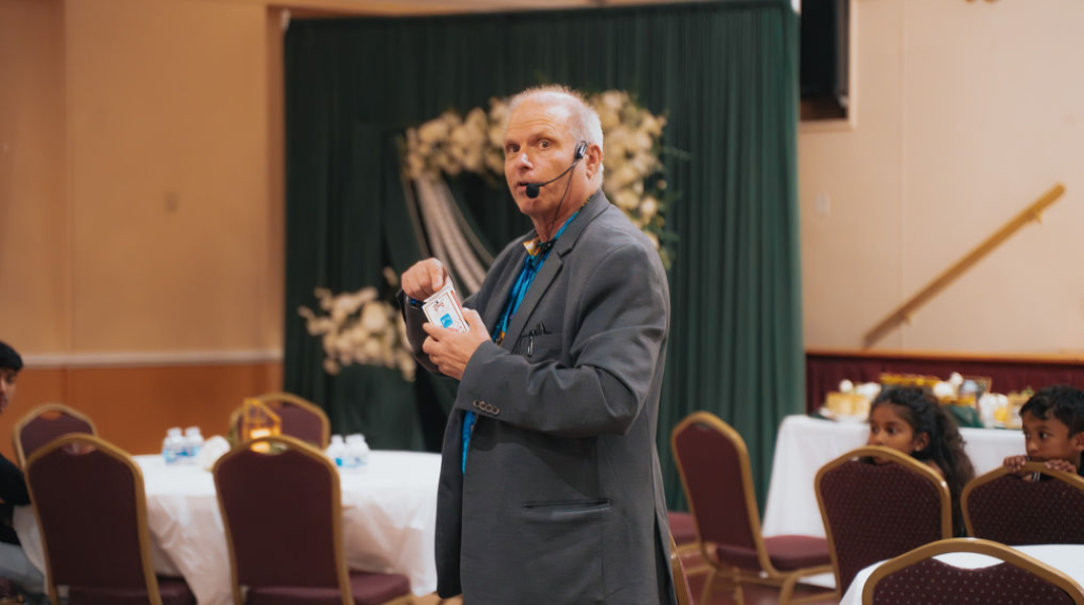
At a recent show in Glenside, I performed a classic illusion—an object vanishing and reappearing in an impossible location. The method? Simple. But the audience’s reaction? Genuine amazement. Why? Because I didn’t just do the trick—I sold the moment. The way I revealed the effect, the pacing, the eye contact—it all created the illusion that something extraordinary had just happened.
That’s the key. It’s not enough to perform a trick; you must make it feel real.
A Magician’s Guide to Convincing the Impossible
✔ Confidence is Key – If a magician hesitates, the illusion falls apart.
✔ Pacing Creates Suspense – The right build-up makes a simple trick feel like a miracle.
✔ Emotional Connection Enhances Wonder – The best tricks make people feel something, not just see something.
Just like an actor brings a script to life, a magician brings an illusion to life.
What It Means for the Audience
Every time an audience watches a magician, they are willing participants in the illusion. They know magic isn’t real—but for that brief moment, they want to believe it is.
At a performance in Jenkintown, I had a spectator say, “I know there’s a trick to this, but I don’t care—I just love how it makes me feel.” That’s the goal. Magic isn’t about proving anything—it’s about giving people a reason to believe in something extraordinary.
And this principle doesn’t just apply to magic—it applies to every great performance, every compelling speech, every inspiring story.
Everyday Magic: How to Create Belief in the Unreal
Lithgow’s words highlight a universal truth: conviction makes things feel real. Here’s how we can use that concept in everyday life:
- Sell Your Story with Confidence
- In Magic: A trick is only as strong as the magician’s ability to sell it.
- In Life: Whether presenting an idea, telling a story, or making a pitch, the way you deliver it determines how people perceive it.
- Use Emotion to Make an Impact
- In Magic: A great illusion isn’t just performed—it’s felt.
- In Life: People don’t remember facts as much as they remember how something made them feel.
- Engage the Imagination
- In Magic: A trick that sparks curiosity leaves a lasting impression.
- In Life: A great storyteller invites the listener into the experience. Use vivid descriptions and unexpected twists to make things more engaging.
- Commit to the Role You Play
- In Magic: If the magician doesn’t believe in the moment, neither will the audience.
- In Life: Confidence can make even the most ambitious ideas seem possible. The way you present yourself influences how others see you.
- Create Moments of Wonder for Others
- In Magic: The goal isn’t to fool people—it’s to make them feel something magical.
- In Life: Whether through humor, storytelling, or a well-timed surprise, we all have the power to create a little everyday magic for others.
Wrapping Up: The Art of Theatrical Deception in Jenkintown, Glenside, and Abington
John Lithgow’s quote perfectly captures the essence of magic—it’s not about trickery, but about performance. Whether I’m performing in Jenkintown, Glenside, or Abington, I know that my role isn’t just to show a trick, but to create an experience that feels real.
So the next time you watch a magic trick—or even a powerful speech, an inspiring movie, or a captivating performance—ask yourself: What makes it feel real? Because sometimes, the magic isn’t in the trick—it’s in the way we believe in it.